
May 14, 2026
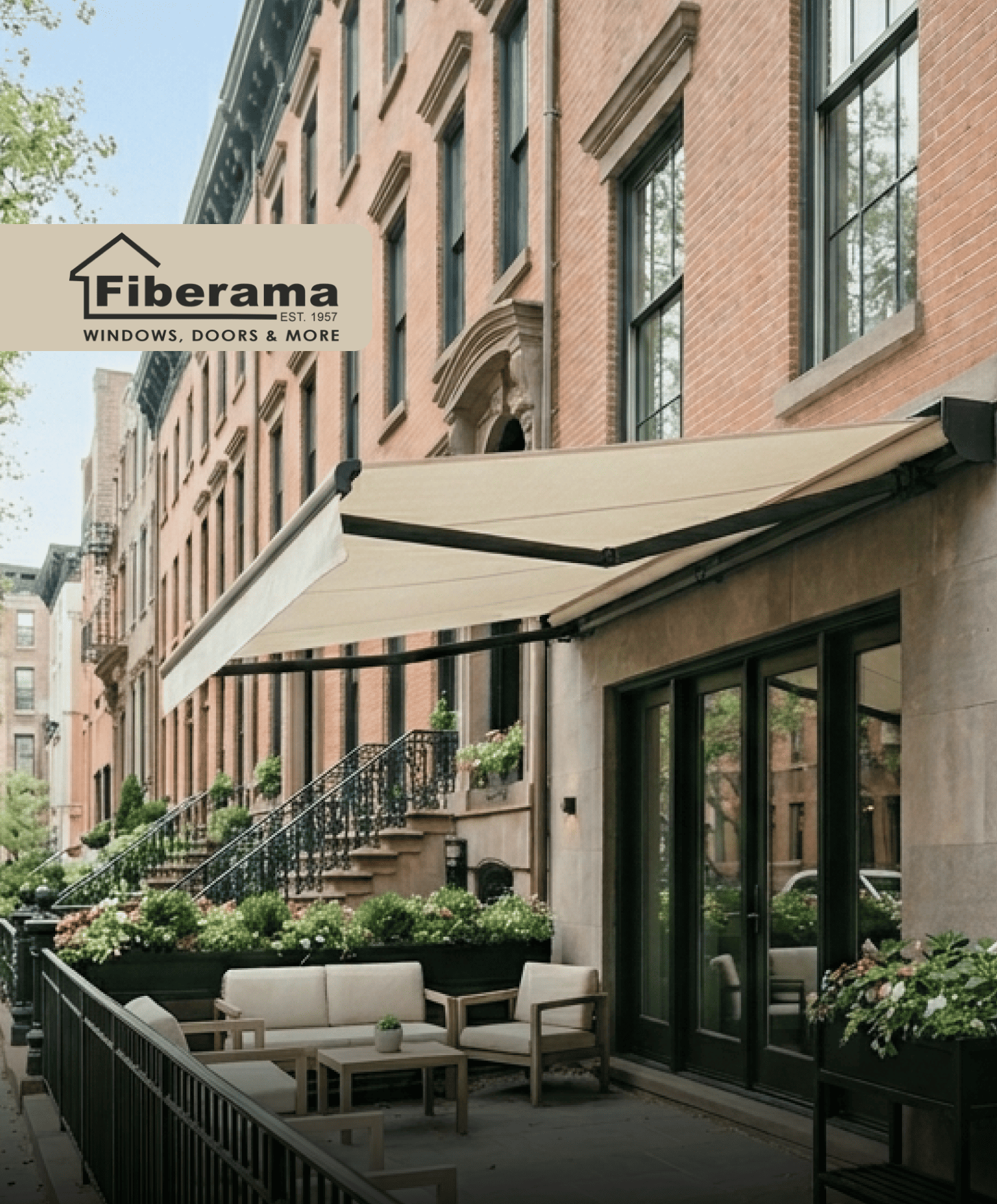
Receive a personalized quote quickly—simply fill out the form below!
InstallingRetractable Awnings in Staten Island can actually be a great project that adds style and functionality to a particular space. Whether the requirement revolves around protecting windows from direct sunlight or creating a relaxing seating area, a canvas awning is a solution that is quite practical. With proper planning and the use of the right tools, it is possible for homeowners to install an awning all by themselves and enjoy long-lasting benefits as well.
This complete guide will take you through the step-by-stepCanvas Retractable Awnings installation process. From choosing the right awning type to measuring accurately, avoiding common mistakes, and securing it against harsh weather conditions, everything will be covered in this guide.
Before beginning the process of installation, it is important to gather all the materials and tools that are necessary to proceed with theCanvas Retractable Awnings installation. To ensure a smooth and efficient workflow, all the items needed for installation should be at hand. Some of the important materials that are required include canvas fabric, screws, mounting brackets, and a sturdy awning frame that is designed to meet the specific dimensions and requirements.
Tools such as a ladder, a power drill, a measuring tape, a screw driver, and safety gear such as protective eyewear and gloves are essential for ensuring accuracy and safety during the process of installation. Also, it is always a good practice to double-check the materials’ compatibility with the environmental factors, such as UV protection and weather resistance.
Having all the materials and tools organized in advance ensures that interruptions are minimized during the project management journey. This kind of preparation helps to lay a proper foundation for a canvas awning that is secure and aesthetically pleasing.
An effective timeline needs to be established and resource allocation planning needs to be done in an effcient manner. This determines the success of theCanvas Retractable Awnings installation project. The total time required for each phase of the project needs to be estimated and this includes preparation, assembly and installation. Awnings that are smaller or pre-fabricated may take only a few hours. Customized designs, on the other hand, may require additional time and extensive planning.
Dependencies such as weather conditions and also supplier lead times for different materials should be considered. Any kind of help from professional installers should be identified.
Project cost management tools can be used to keep track of progress along the timeline. Clear communication should be maintained among all stakeholders, and this helps to ensure alignment with deadlines. In this way, delays can be prevented, and the project can be run keeping the budget factor and also the standards of quality in mind.
It is important to prepare the area for theCanvas Retractable Awnings installation, and this is crucial to ensure a successful process. Ideally, the installation process should begin by thoroughly cleaning the space that has been designed for the canvas awning. Any kind of dirt, debris or even obstructions should be removed that could interfere with the installation process.
Inspection should be conducted to check the structural integrity of the designated area. This is required to ensure that the walls, the beams and other structures that have been designated for mounting are strong and free from weaknesses and cracks.
It is also recommended to reinforce the weak areas in order to prevent any kind of future issues. The space should be measured in an accurate manner. The dimensions should be double-checked against the specifications of the awning in order to avoid any kind of fitting errors. The mounting points should be marked clearly by making the finest use of appropriate tools to achieve precision during the process of installation.
The designated area forCanvas Retractable Awnings installation should be kept free from items and fixtures that might stand as an obstruction, such as outdoor furniture, plants or even electrical wiring. Proper preparation, besides streamlining the process, also minimizes potential safety hazards. This helps to create a strong and secure foundation for the new awning.
The next phase involves preparing the canvas materials. The different steps involved in the process can be explained as follows:
Careful preparation is required while working with canvas, and so are the right tools, in order to ensure durable edges. A heavy-duty sewing machine should be used that is able to handle thick fabric layers without jamming. A needle that is designed for canvas needs to be used in order to prevent breakage during the process of sewing.
A strong and UV-resistant thread can be used that can withstand outdoor exposure and that which prevents premature wear. The stitch length should be adjusted to long or medium as the canvas may be weakened by shorter stitches due to the creation of perforations. A zigzag or double stitch can be used along the edges to ensure added durability and also resistance against the problem of fraying. The settings so made should first be tested on a fabric scrap. Finally, it should be ensured that the canvas remains strong even under harsh weather conditions and frequent use.
What is required when it comes to installingRetractable Awnings in Staten Island is precision for a great and professional look. The frame should be anchored securely to the wall or support structure, and it should be stable. While the canvas is being attached, it should be carefully aligned with the frame, and it should be stretched evenly to avoid any kind of uneven tension.
High-quality fasteners like stainless steel screws or bolts could be used to secure the canvas firmly in place. For larger awnings, additional reinforcements could be considered. In case of straight edges, the material should be allowed to sit properly against the frame for a clean appearance. In case of scalloped edges, the decorative curves should be evenly spaced and aligned in a symmetric manner for aesthetic appeal.
The canvas should not be overly stretched, and this is needed to prevent wear over time. The final inspection should involve checking the installation for secure fittings and a great finish. The awning should be ready to provide protection and add a touch of style to the outdoor space.
Handcrafted canvas awnings from Fiberama are built to meet your specific requirements. Whether it is about adding a stylish entryway cover or you need a practical patio awning, the team at Fiberama ensures a seamless fit and professionalCanvas Retractable Awnings installation.
The climate, the purpose of the awning – these are some of the factors that determine the choice of the material for the awning. For places subject to heavy rain, waterproof fabrics such as vinyl-coated polyester could be ideal. If UV protection is the goal, it is better to look for materials with high UV resistance. The durability and maintenance requirements of the material should be considered.
Awnings are designed to endure mild and moderate weather conditions. However, it should be noted that awnings may not withstand strong winds.Canvas Retractable Awnings installation is a good option because such retractable awnings can be rolled back in case of high winds. There must be strong anchoring for fixed awnings, and for retractable models, wind sensors should be used. Regular inspection of frame and fasteners is recommended.
Yes, it is easy to maintain awnings. Regular cleaning helps prevent dirt from building up. The frame and hardware should be inspected periodically to check for rust or any kind of damage. Retractable awnings should be retracted in the case of storms in order to avoid strain.
It is possible to install the awning without the help of professionals by following the instructions of the manufacturer and with the help of some basic tools. However, in the case of larger awnings, professional installation is always recommended. When it comes to handling specific situations, such as dealing with uneven walls, a professional could prove to be of immense help.